The Whole30 Program
The Whole30 is a 30-day elimination diet designed to reset your relationship with food by removing the most common dietary triggers of inflammation, gut disruption, and hormonal imbalance. For 30 days, you eliminate sugar, alcohol, grains, legumes, soy, and dairy — then systematically reintroduce them to identify which foods affect your health, energy, and mood.
The Paleo Diet
The Paleo diet is a nutritional approach inspired by the eating patterns of our Paleolithic ancestors — before the advent of agriculture. It eliminates grains, legumes, dairy, refined sugar, and processed foods, and emphasizes meat, fish, eggs, vegetables, fruits, nuts, and seeds.
The Mediterranean Diet
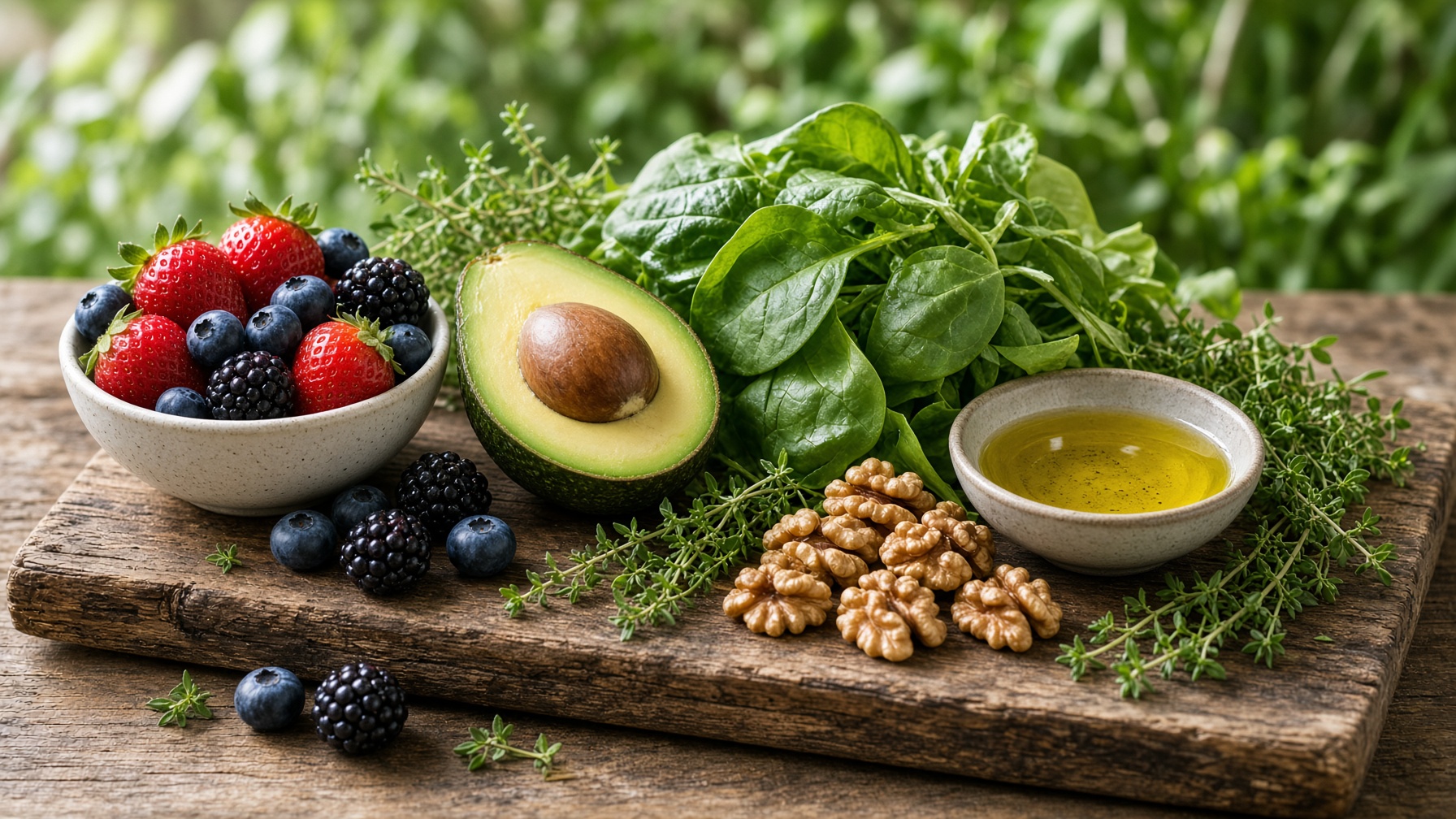
Consistently ranked as one of the healthiest diets in the world, the Mediterranean diet is inspired by the traditional eating patterns of countries bordering the Mediterranean Sea — Greece, Italy, Spain, and southern France. It emphasizes abundant fruits and vegetables, whole grains, legumes, nuts, seeds, and olive oil as the primary fat source.
The Plant Paradox (Lectin-Free Diet)
Developed by Dr. Steven Gundry, the Plant Paradox diet is based on the idea that certain plant proteins called lectins — found in grains, legumes, nightshade vegetables, and some fruits — can damage the gut lining, trigger inflammation, and contribute to autoimmune disease and weight gain.
The DASH Diet
DASH stands for Dietary Approaches to Stop Hypertension. Originally developed to lower high blood pressure without medication, the DASH diet has proven benefits far beyond blood pressure control — reducing LDL cholesterol, improving insulin sensitivity, supporting kidney health, and reducing the risk of heart disease and stroke.
Vegan & Vegetarian Diets
Plant-based diets — whether fully vegan (no animal products) or vegetarian (no meat but may include dairy and eggs) — are associated with lower rates of heart disease, type 2 diabetes, obesity, and certain cancers. They tend to be high in fiber, antioxidants, and phytonutrients while being lower in saturated fat and cholesterol.
Ketogenic & Low-Carb Diets
The ketogenic diet is a very low-carbohydrate, high-fat diet that shifts the body into a metabolic state called ketosis, where fat becomes the primary fuel source instead of glucose. Originally developed to treat epilepsy, it has gained widespread attention for weight loss, blood sugar control, and mental clarity.
B.E. W.E.L.L. Eating Tips
Eat the rainbow — aim for 5–9 servings of colorful fruits and vegetables daily.
Choose whole, unprocessed foods over packaged and refined products.
References & Further Reading
Trusted resources from leading health organizations and research institutions.
Share these evidence-based nutrition insights.
- American Heart Association – Mediterranean Diet American Heart Association
- NIH – DASH Eating Plan National Heart, Lung, and Blood Institute
- Harvard T.H. Chan – Healthy Eating Plate Harvard T.H. Chan School of Public Health
- Mayo Clinic – Nutrition and Healthy Eating Mayo Clinic
- USDA MyPlate U.S. Department of Agriculture
- Whole30 – Official Program Whole30
- The Paleo Diet – Official Resource The Paleo Diet
- NCCIH – Detox Diets and Cleanses National Center for Complementary and Integrative Health